
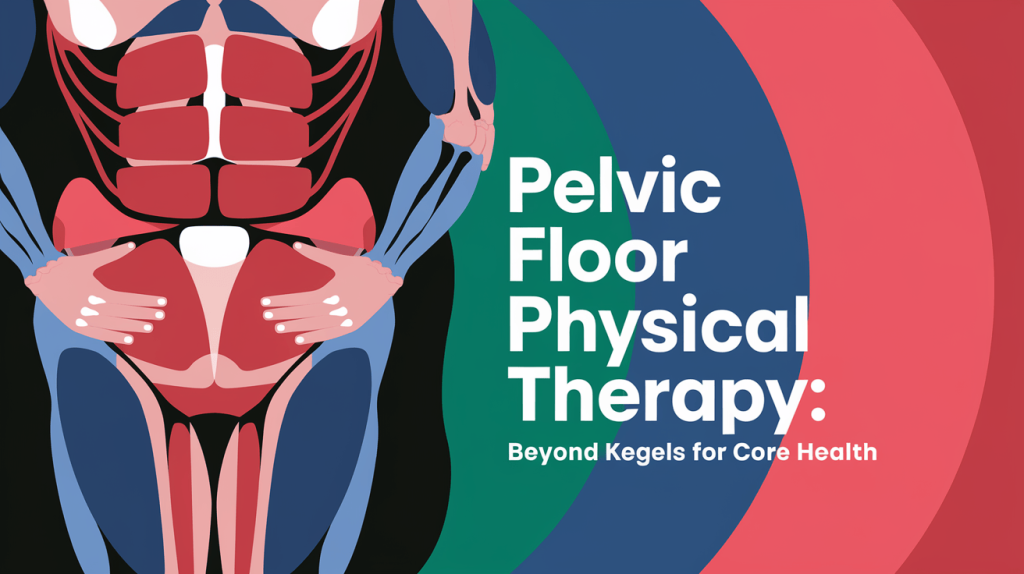
Understanding Pelvic Floor Therapy and Core Health
When most people hear “pelvic floor exercises,” they usually think of Kegels—those basic contract-and-release movements for incontinence or sexual function. However, pelvic floor therapy extends beyond these exercises, focusing on a sophisticated system that underpins your core.
The pelvic floor isn’t just a group of muscles at your pelvis’s base—it’s a dynamic component of your body’s core system. It continuously supports your organs, aids continence, contributes to sexual function, and provides stability. Optimal pelvic floor function requires coordination with breathing, posture, and movement patterns. When these muscles falter, you can experience anything from back pain to bladder issues.
Crucially, the pelvic floor forms the base of the “core canister,” working alongside your diaphragm (top), abdominals (front), and multifidus (back) to manage pressure and provide stability. Traditional Kegels can miss these integrated aspects of core health. A comprehensive approach that addresses breathing, posture, and functional movement often yields deeper results than Kegels alone.
Why Traditional Kegels Often Fall Short
For decades, Kegels have been the go-to exercise for pelvic floor concerns. While they can be helpful, isolating the pelvic floor with repetitive squeezing doesn’t always address the entire network of muscles or their coordination with breathing and movement.
Overlooked Muscles and Coordination
Classic Kegels primarily target superficial pelvic floor muscles like the pubococcygeus. However, the pelvic floor includes deeper layers, such as the levator ani and coccygeus, which also need attention. Many people perform Kegels for years without improvement because they aren’t engaging the full pelvic floor or syncing contractions with breath and movement.

Moreover, standard Kegel routines seldom incorporate real-life movement patterns like lifting or squatting—situations when the pelvic floor must function in concert with other core muscles.
Risks of Overuse: Hypertonic Pelvic Floor
Excessive Kegels can worsen symptoms in individuals who have a hypertonic (overly tense) pelvic floor. Signs include pelvic pain or pressure, constipation, urinary urgency, and painful intercourse. These cases often benefit more from relaxation and “downtraining” than from intensified strengthening.
Research Insights on Kegels vs. Holistic Approaches
Studies on pelvic floor muscle training show varied results for Kegels alone, especially in complex cases. Approaches that combine pelvic floor training with breathing techniques, postural alignment, and functional movement tend to offer broader benefits. Low adherence to Kegel-only programs also underscores the need for more dynamic, engaging methods.
Pelvic Floor Anatomy and Neurobiomechanics
A closer look at pelvic floor anatomy helps explain why a holistic strategy is essential.
The Three Layers of Pelvic Floor Muscles
The pelvic floor is structured in layers:
- Deep Layer (Pelvic Diaphragm): Includes the levator ani complex and coccygeus, supporting pelvic organs and continence.
- Middle Layer (Urogenital Diaphragm): Comprises muscles like the external urethral sphincter crucial for urinary control.
- Superficial Layer: Affects sexual function and provides additional perineal support.
Kegels often engage superficial muscles, overlooking deeper support structures.
Reflexive vs. Voluntary Control
The pelvic floor operates under both conscious and automatic control. It reflexively contracts to prevent leaks when you cough or sneeze, yet you can also deliberately contract or relax these muscles. Studies on the motor cortex and pelvic floor show distinct brain activity for voluntary vs. reflexive contractions, explaining why some can perform correct Kegels in a clinic but struggle in everyday motion.
Diaphragm and Pelvic Floor Synergy
One of the most significant factors in pelvic floor health is its coordination with the diaphragm. As you inhale, the diaphragm descends and the pelvic floor relaxes; as you exhale, they both rise. Disrupting this cycle—through shallow breathing, breath-holding, or excessive abdominal bracing—can lead to pelvic floor dysfunction, even in otherwise strong muscles.
How to Recognize Pelvic Floor Dysfunction
Pelvic floor problems often mimic other conditions or are dismissed as normal aging or postpartum changes. Recognizing symptoms early can significantly improve outcomes.
Signs and Symptoms Beyond Incontinence
Urinary leakage is well-known, but pelvic floor dysfunction can manifest as:
- Pelvic Pain: Discomfort in the tailbone, lower back, or pelvic region
- Core Instability: Trouble maintaining stability during daily tasks
- Sexual Dysfunction: Painful intercourse, reduced sensation
- Bowel Issues: Constipation or straining
- Sensation Changes: Heaviness or a feeling of “falling out” in the pelvic area
These symptoms sometimes go unaddressed for years if the pelvic floor connection isn’t recognized.
Self-Assessments and When to Seek Help
Professionals use specialized assessments to diagnose pelvic floor dysfunction. Warning signs like pelvic pain, persistent incontinence, urinary or bowel issues, or feelings of “pelvic heaviness” generally indicate you should consult a pelvic floor physical therapist.
Breathing Techniques as the Foundation of Pelvic Floor Therapy

A major missing piece in many pelvic floor routines is proper breathing. Diaphragmatic breathing aligns pressure within the core and fosters the natural rise-and-fall movement of the pelvic floor.
Benefits of Diaphragmatic Breathing
Diaphragmatic breathing improves awareness of your core and pelvic floor, encourages relaxation in overactive muscles, and helps regulate intra-abdominal pressure. These benefits are crucial for anyone dealing with hypertonic pelvic floors.
Coordinating Breath and Movement
Simple drills include lying down with one hand on your chest and another on your abdomen, breathing slowly so your belly rises first. Practice visualizing the pelvic floor relaxing on the inhale and gently lifting on the exhale. Once comfortable, incorporate these patterns into daily activities, avoiding breath-holding or excessive tension.
Integrating Pelvic Floor Function into Whole-Body Movement
After establishing proper breathing, the next step is pairing pelvic floor activation with real-life motions like squatting, lunging, and lifting. This helps your body handle daily activities without straining the pelvic floor.
Functional Movements: Squats and Hip Hinges
Exercises like squats and hip hinges teach you to manage pressure while moving. For a functional squat:
- Stand with feet shoulder-width apart.
- Inhale as you lower into a squat, letting the pelvic floor relax.
- Exhale and return to standing, allowing a gentle pelvic floor lift on the exhale.
This pattern can be applied to everyday tasks like lifting groceries.
Postural Alignment and Pelvic Loading
Pelvic tilt and posture significantly affect pelvic floor loading. Finding neutral spine alignment prevents excessive anterior (arched back) or posterior (tucked) tilt. Simple tweaks, such as ensuring your hips aren’t overly tilted, can help the pelvic floor function more efficiently.
Gait Analysis for Pelvic Health
Poor walking mechanics, like limited hip extension or holding your breath while walking, can increase pelvic floor stress. Physical therapists use movement assessments to identify such issues, then offer corrections that often reduce pelvic floor symptoms.
Evidence-Based Exercises: Going Beyond Kegels
Research supports broadening pelvic floor rehab beyond basic contractions. Activities such as yoga and Pilates, when modified appropriately, can foster greater pelvic floor integration and core synergy.
Yoga and Pilates Modifications
Gently adapted yoga postures like Supported Bridge or Child’s Pose, as well as Pilates exercises like Pelvic Clocks or Bent Knee Fallouts, can improve pelvic floor function if they’re performed with mindful breathing and minimal intra-abdominal pressure.
Strength Progressions and Tools for Success
Effective pelvic floor rehab often follows a progression:
- Awareness: Identifying correct activation and relaxation.
- Isolation: Refining muscle control in stable positions.
- Integration: Coordinating with breath and movement.
- Functional: Applying skills to daily tasks.
- Performance: Handling higher-impact activities.
Biofeedback devices, vaginal weights, and stability balls can provide guidance and challenge, especially when introduced by a qualified therapist.
Core Integration and Managing Intra-Abdominal Pressure
Controlling intra-abdominal pressure is essential to maintaining pelvic floor integrity, especially during activities like coughing, sneezing, lifting, and exercise.
The Core Canister: Pelvic Floor, Diaphragm, and Transverse Abdominis
The “core canister” consists of the diaphragm (top), pelvic floor (bottom), transverse abdominis (front/sides), and multifidus (back). When these components work in harmony, they help prevent leaks, support organs, and stabilize the spine.
Diastasis Recti Considerations
Diastasis recti (abdominal separation) commonly coexists with pelvic floor dysfunction, particularly postpartum. Reducing strain through controlled breathing and gentle core engagement can help both conditions simultaneously. Avoid sudden pressure spikes and gradually add resistance to improve core-pelvic floor synergy.
High-Impact Exercise Modifications
High-impact activities like running or jumping create extra pelvic floor pressure. Strategies for safer participation include exhaling during exertion, using a hip-hinge pattern, and ensuring you don’t hold your breath or over-brace. With careful modifications, most people can gradually resume these activities as pelvic floor function improves.
Special Populations and Tailored Pelvic Floor Approaches
Pelvic floor therapy must often be tailored for specific groups.
Athletes
Research on female athletes notes that many experience stress urinary incontinence but don’t seek help. Sport-specific evaluations, pressure management, and adequate recovery reduce the risk of leakage and enhance performance.
Pregnancy and Postpartum
During pregnancy, maintaining pelvic floor awareness can ease labor and delivery, while postpartum therapy helps heal birth-related trauma and manage diastasis recti. Studies show fewer long-term issues in women who get postpartum pelvic rehab.
Men’s Pelvic Health
Men face pelvic floor challenges from prostate issues or chronic pain conditions. Therapy can focus on reducing hypertonicity, improving continence post-surgery, and addressing sexual function concerns. Because these topics remain stigmatized, education is vital to encourage men to seek care.
Aging Adults
With aging, hormonal changes and reduced mobility can affect pelvic floor health. Gentle strength and coordination exercises, paired with a focus on balance and posture, can significantly alleviate incontinence and prolapse symptoms at any age.
Psychosocial Dimensions of Pelvic Floor Therapy
The pelvic floor lies at the crossroads of physical and emotional health.
Trauma-Informed Care and Reducing Stigma
Many individuals with pelvic floor dysfunction have a history of trauma. Trauma-informed approaches emphasize safety, patient control, and respect. Additionally, stigma around bladder and bowel issues can delay treatment. Normalizing these discussions helps patients seek and stay with therapy.
Motivational Strategies for Lasting Change
Pelvic floor rehabilitation requires steady practice. Techniques like goal setting, habit stacking (pairing pelvic exercises with daily routines), and celebrating milestones can maintain motivation. Addressing both psychological and physical needs promotes better outcomes.
Technology Innovations in Pelvic Floor Rehabilitation
Advancements in telehealth and wearable devices have expanded access and engagement, especially for those who cannot regularly visit clinics.
Telehealth and At-Home Tools
Telehealth facilitates remote coaching, offering privacy and convenience. Wearable sensors and smartphone apps can provide real-time biofeedback for correct pelvic floor activation. While not replacements for in-person evaluation, they can augment care when supervised by a trained therapist.
Ultrasound Imaging and EMG Biofeedback
Ultrasound and EMG biofeedback visualize or measure muscle activity, helping patients grasp proper activation and track progress objectively. These clinical tools can be especially helpful when standard verbal cues fail.
Building a Personalized Pelvic Floor Therapy Program
The most effective pelvic floor program is individualized, targeting your unique symptoms and goals.
Assessment-Driven Exercise Prescription
A thorough assessment examines muscle strength, tone, and coordination, then ties your symptoms to underlying issues. From there, a plan is crafted—focusing on everything from breath work to specific movements that address your lifestyle needs.
Progress Tracking and Multidisciplinary Collaboration
Rehab may progress from basic awareness to more advanced functional tasks. Some individuals might move quickly through early stages if strength is already decent, while others may need to focus on pain or relaxation first. Collaboration between pelvic floor physical therapists, urogynecologists, nutritionists, and mental health professionals can tackle all sides of pelvic health.
Finding a Qualified Pelvic Floor Physical Therapist
Choosing the right therapist can make all the difference.
Credentials to Look For
Seek out therapists with specialized education, such as:
- CAPP-Pelvic: Certificate of Achievement in Pelvic Physical Therapy
- PRPC: Pelvic Rehabilitation Practitioner Certification
- WCS: Women’s Health Clinical Specialist
These credentials indicate in-depth focus on pelvic health.
Questions to Ask
During your first consultation, ask about treatment experience, the proportion of pelvic floor cases they handle, and whether they include internal and external evaluations. A knowledgeable therapist will set realistic timelines and collaborate with other healthcare providers if needed.
Insurance and Accessibility
Navigating insurance for pelvic floor therapy can be complex. Confirm coverage, get a referral if needed, explore out-of-network benefits, or ask about payment plans. Telehealth may offer more affordable options. Many clinics help patients find workable solutions.
Improve Your Pelvic Health by teaming up with a qualified physical therapist who can customize a program tailored to your needs.
Frequently Asked Questions About Pelvic Floor Therapy
Can I Overwork My Pelvic Floor?
Yes. Overtraining can lead to increased tension, pain, urinary urgency, and difficulty emptying the bladder or bowels. A balanced approach that includes relaxation is essential to avoid a hypertonic pelvic floor.
How Long Until I See Results?
It varies by condition severity, how long you’ve had symptoms, and your consistency with exercises. Some see improvement in a few weeks; more complex issues may take several months of steady work.
Are At-Home Devices Effective?
Home devices like biofeedback tools or vaginal weights can be useful when chosen wisely. However, they’re most effective when paired with professional assessment, ensuring they match your specific needs rather than applying a one-size-fits-all approach.
