

Prenatal and Postpartum Physical Therapy: Your Partner in Holistic Recovery
Pregnancy and the months following childbirth are periods of incredible transformation—a time when your body and mind adapt to nurture new life. While this journey is deeply rewarding, it’s no secret that physical discomfort, emotional shifts, and recovery challenges can arise. As a holistic physical therapist in Placerville, I’ve walked alongside countless women through these transitions. Prenatal and postpartum physical therapy isn’t just about addressing aches; it’s about empowering you to thrive during this pivotal chapter. Let’s explore how evidence-based care can support your strength, mobility, and overall well-being in a comprehensive, safe, and fully customized manner.
Understanding Prenatal and Postpartum Physical Therapy
Prenatal and postpartum physical therapy (PT) is a specialized practice designed to meet the unique needs of expectant and new mothers, focusing on alleviating pain, restoring function, and enhancing overall wellness at every stage of pregnancy and recovery. Safety protocols and customized treatment plans are key: early interventions might emphasize gentle stretching and mobility, while later stages address safe strengthening and targeted core work.
During pregnancy, hormonal shifts and your growing baby’s weight can strain your back, pelvis, and hips. Your therapist becomes a trusted guide, teaching strategies for safe movement and exercises to ease discomfort while preparing your body for childbirth. In the postpartum phase, PT zeroes in on rebuilding core and pelvic floor strength, addressing issues like diastasis recti (abdominal separation) and pelvic pain, and helping you regain confidence in your body’s capabilities.
As highlighted by TLC Physical Therapy, education and proper body mechanics form the backbone of a comfortable, empowering pregnancy experience. By addressing potential issues early, you can prevent more significant complications down the road.
Why Physical Therapy Matters During and After Pregnancy
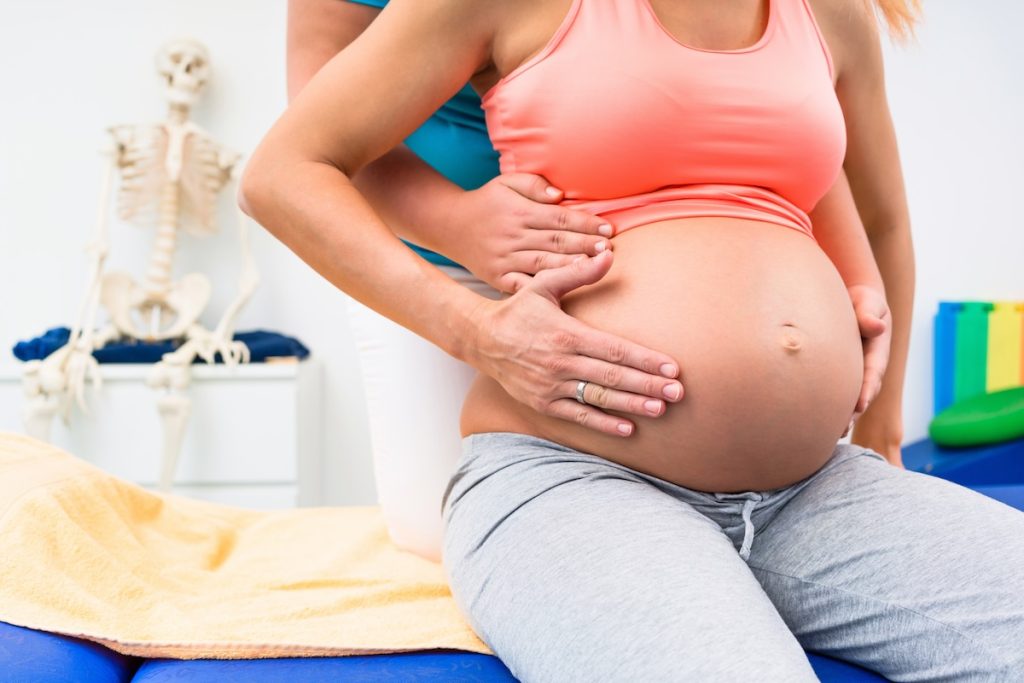
The benefits of PT extend far beyond pain relief. Here’s how it supports holistic healing:
- Easing Discomfort: Techniques like myofascial release, targeted stretching, and manual therapy reduce back, pelvic, and hip pain, letting you move more freely without relying heavily on medications.
- Rebuilding Strength: After delivery, weakened core and pelvic floor muscles need intentional care. Customized programs restore stability, whether you’re lifting your newborn or returning to favorite activities.
- Preparing for Labor: Strengthening exercises and mobility work don’t just ease pregnancy aches—they can also make labor more manageable. Research from UT Southwestern Medical Center shows how improved posture and flexibility support smoother deliveries.
- Boosting Mental Health: Regular movement reduces anxiety and postpartum depression symptoms. Many of my patients describe PT as a “reset button” for both body and mind.
- Empowering Self-Care: From ergonomic tips to at-home routines, PT equips you with tools to take charge of your recovery and prevent future issues.
As Northeast Spine and Sports notes, these interventions aren’t just reactive—they’re proactive, helping you stay active and confident throughout your journey.
Prenatal PT: More Than Pain Relief

Easing Aches, Enhancing Mobility
Hormonal changes like relaxin loosening ligaments can lead to joint instability. Your therapist might use manual therapy or tailored stretches to ease tension in overworked muscles, making daily tasks—from bending to walking—more comfortable. Proper guidance helps manage back, hip, and pelvic pain effectively.
Building a Strong Foundation
Your core and pelvic floor are the unsung heroes of pregnancy. Gentle strengthening exercises (like modified Pilates or pelvic tilts) prepare these muscles to support your uterus and withstand labor’s demands. The Tri Physical Therapy home exercise guide offers excellent examples of safe, effective routines that also promote faster postpartum recovery.
Posture and Flexibility
As your belly grows, balance shifts. PT helps counteract slumped shoulders or an arched lower back through alignment exercises, reducing strain on your spine and pelvis while you prepare for labor and delivery.
Mental Resilience
Feeling strong physically often translates to emotional confidence. One patient recently shared, “PT gave me back a sense of control during a time when so much felt unpredictable.” This sense of empowerment can be crucial for navigating the demands of pregnancy.
Postpartum Recovery: Reclaiming Your Strength
The postpartum period is about healing, not “bouncing back.” Here’s how PT supports this phase:
Healing Diastasis Recti and Pelvic Floor Issues
Nearly 60% of women experience diastasis recti. Through guided core exercises (like breath-focused abdominal engagements), we help close the gap and restore function. For additional strategies, consult Vitality Tulsa’s guide on diastasis recti. For pelvic floor concerns, Lotus Physical Therapy emphasizes techniques like Kegels paired with biofeedback to rebuild tone without overstraining.
Ergonomic Strategies for New Moms
Lifting car seats or nursing in awkward positions can strain your body. We’ll adjust your movements to protect your back and joints—because caring for your baby shouldn’t mean neglecting yourself.
Mind-Body Connection
Postpartum anxiety and fatigue are real. Gentle yoga flows or diaphragmatic breathing exercises (like the 4-7-8 technique) can calm your nervous system while aiding physical recovery.
Tailored Techniques for Lasting Wellness
Modern prenatal and postpartum physical therapy is designed to be safe, adaptable, and deeply holistic. Here are some key techniques and considerations for building long-term health:
Pelvic Floor Rehabilitation
Kegels are just the start. We assess your pelvic floor’s unique needs, combining exercises with hands-on therapy to address tightness, weakness, or even scar tissue. This proactive approach helps prevent issues like urinary incontinence and pelvic organ prolapse.
Scar Tissue Management
C-section or perineal scars can limit mobility if untreated. Myofascial release techniques improve tissue flexibility, reducing discomfort and enhancing function during daily activities.
Preventative Care and At-Home Practices
- Ergonomic Tweaks: Adjust your nursing chair height or use a footrest to ease lower back strain. Simple modifications can have a lasting impact.
- Consistent Exercises: Maintaining an at-home routine of gentle stretching, pelvic floor work, and core strengthening helps preserve gains from therapy.
- Stress Management: Integrate mindfulness practices or short, gentle walks to balance the physical and emotional demands of new motherhood.
- Support Network: Engage with prenatal and postpartum wellness groups—sharing experiences can offer valuable emotional support and practical tips.
Choosing Your PT Partner
Finding a qualified physical therapist who specializes in women’s health is essential for a successful recovery. Look for someone who listens deeply, explains their methods, and personalizes a plan for your unique situation. As Core Medical Group’s guide on cultural competency suggests, a supportive therapist will respect your individual background and ensure you feel comfortable and heard.
Ask about the clinic’s accessibility, appointment flexibility, and safety protocols. At Healix Therapy, we blend clinical expertise with genuine empathy, ensuring every session feels like a collaboration rooted in trust and understanding.
Your Journey, Your Strength
Prenatal and postpartum PT isn’t about “fixing” you—it’s about honoring your body’s wisdom while giving it the tools to heal. Whether you’re navigating pregnancy discomforts or rebuilding postpartum strength, remember: small, consistent steps lead to profound changes.
Ready to take the next step? Explore personalized women’s PT options tailored to your unique needs. Together, we’ll create a plan that supports not just recovery, but lasting vitality—for you and your growing family.
Here in El Dorado County, we’re committed to helping mothers thrive. Because when you feel your best, you can fully embrace the joys of this transformative season. Consult with a qualified physical therapist today to begin your personalized journey toward a healthier, stronger you.
