
When healing from injury or surgery, the idea of lifting heavy weights can feel daunting—even counterproductive. That’s where blood flow restriction (BFR) training steps in, offering a smarter path to rebuilding strength without overloading vulnerable joints. As a physical therapist in Placerville specializing in integrative recovery methods, I’ve seen firsthand how this technique bridges the gap between clinical precision and compassionate care. Let’s explore how BFR works, why it’s transformative, and how you can use it to reclaim strength safely.
Understanding Blood Flow Restriction: A Game-Changer in Rehab
Imagine stimulating muscle growth with light weights—no grinding reps or joint strain. BFR training makes this possible by using specialized cuffs to partially restrict blood flow in the limbs during exercise. This creates a unique metabolic environment that tricks muscles into responding as if you’re lifting heavy loads, even at 20–30% of your max capacity. Research from Physiopedia confirms it’s not just theory: patients using BFR see measurable gains in muscle size and strength, whether they’re post-surgery athletes or older adults rebuilding mobility.
The Science Behind BFR: More Than Just a Workout

Here’s the magic: by limiting venous return (the blood flowing out of muscles), BFR causes metabolic byproducts like lactate to accumulate. This triggers a hormonal cascade, including growth hormone release, which fuels muscle repair and growth. Think of it as signaling your body to activate its “emergency rebuild” mode—even during gentle exercises. Studies on PubMed show this process activates fast-twitch muscle fibers, crucial for power and stability, without the stress of heavy lifting.
Why BFR Works for Holistic Healing
1. Strength Without Strain
Forget “no pain, no gain.” BFR lets you strengthen muscles around injured joints or surgical sites safely. One patient recovering from knee surgery recently told me, “I could feel my quads firing again within weeks—without worrying I’d undo my surgeon’s work.”
2. Preserving Mobility as You Age
Muscle loss isn’t inevitable. Older adults in El Dorado County using BFR have regained the strength to garden, hike, or play with grandkids by pairing light resistance with targeted blood flow moderation.
3. Faster Recovery, Fewer Setbacks
Post-surgical atrophy is a common hurdle. BFR counteracts this by maintaining muscle activation during the fragile early phases of healing. The result? Smoother transitions back to daily tasks, from carrying groceries to returning to work.
Tailoring BFR to Your Needs: A Step-by-Step Guide
Customizing Pressure Settings
- Start Smart: A professional assessment is key. We measure limb size and circulation to determine safe starting pressure.
- Adjust Gradually: In our Placerville clinic, we begin with moderate pressure, then tweak based on feedback—never sacrificing comfort for intensity.
- Listen Closely: Tingling or numbness? That’s your body saying “ease up.” Adjust the cuff immediately and consult a professional if symptoms persist.
- Regular Reassessment: As strength and muscle size improve, re-check occlusion pressure to maintain optimal effectiveness without excessive restriction.
Exercise Selection Made Simple
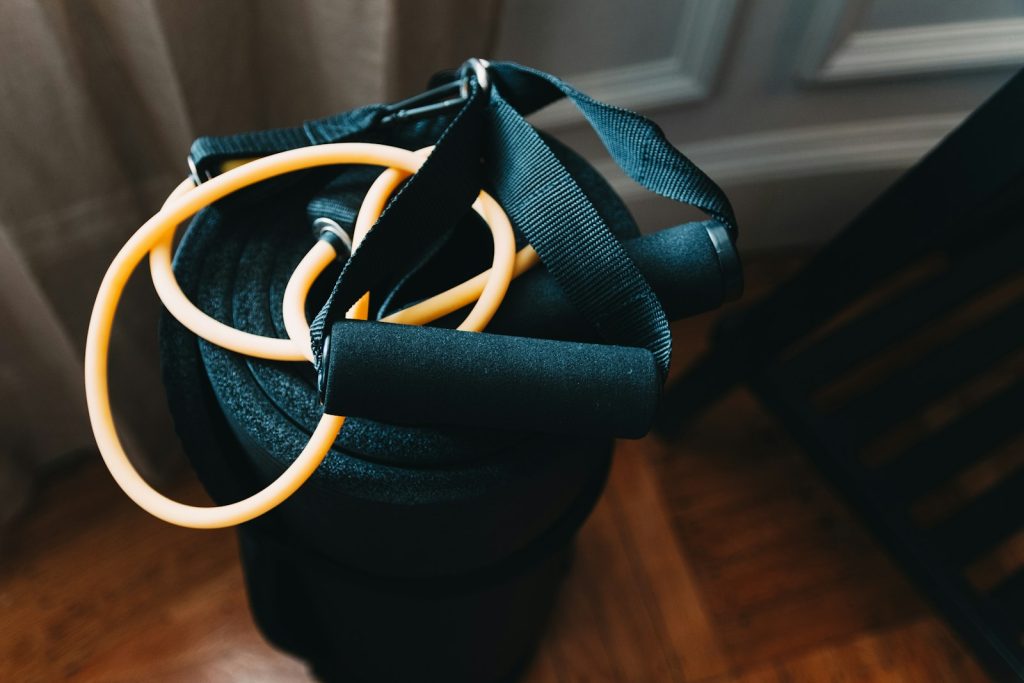
- Targeted Movements: Post-shoulder surgery? Focus on gentle arm raises. Knee rehab? Seated leg extensions. We match exercises to your healing stage.
- Progress Naturally: Begin with 2–3 sets of 15–20 reps using light bands or bodyweight. As endurance improves, add resistance incrementally.
- Session Scheduling: Incorporate BFR workouts alongside other rehab exercises, typically 2–3 times a week, allowing sufficient recovery between sessions.
Proper Cuff Application Techniques
- Placement: Position the cuff at the upper arm or thigh to restrict venous return effectively without excessively blocking arterial inflow.
- Tightness: Aim for a snug fit that doesn’t cause pain or numbness. Use gradual tightening and adjust promptly if discomfort arises.
- Equipment Familiarity: Practice proper cuff application under professional supervision, ensuring you can adjust or remove it quickly if needed.
Monitoring and Real-Time Adjustments
- Feedback Cues: Watch for discomfort, skin color changes, or swelling—signals to loosen the cuff or modify your exercise intensity.
- Self-Assessment: Check in regularly with how you feel during and after each session. If you experience lingering soreness or unusual fatigue, scale back.
- Progressive Overload: Gradually increase resistance or volume as you adapt, just like traditional strength training—but stay alert to signs of overdoing it.
Troubleshooting and Self-Assessment
- Discomfort Management: If you feel excessive pressure, reduce cuff tightness right away. Persistent numbness or tingling? Stop and seek professional guidance.
- Technique Review: Don’t overlook form. Proper movement mechanics and cuff placement can minimize joint stress and maximize muscle activation.
- Resource Utilization: Interactive tutorials or visuals can guide you through setup, ensuring you stay confident and safe with each session.
Real-World Applications: Where BFR Shines
After Surgery: Rebuilding Confidence
Post-op patients often fear re-injury. BFR bridges that mental and physical gap, allowing them to “feel” their muscles engage safely. One ACL recovery client shared, “It gave me hope that my leg wasn’t broken forever.”
Managing Chronic Pain
For osteoarthritis or tendonitis, heavy weights inflame joints. BFR’s low-load approach reduces irritation while still strengthening tissues. The Australian Institute of Sport champions this method for athletes and non-athletes alike. This approach is also effective for conditions such as osteoarthritis and tendon injuries, as discussed by OSC-Ortho.
Aging Stronger, Not Just Older
Frailty isn’t fate. Studies from Sanford Health show seniors using BFR twice weekly gain leg strength comparable to traditional training—without the joint strain.
Measuring Effectiveness and Monitoring Progress
- Strength and Hypertrophy Checks: Use periodic assessments (like measuring limb circumference or testing functional strength) to gauge muscle gains.
- Functional Improvements: Track how daily activities feel—climbing stairs, carrying groceries, or getting up from a chair—these real-life tasks often show progress faster than a mirror does.
- Individual Response: Everyone’s timeline is different. Listen to your body and consult your therapist if you notice plateauing or discomfort.
Safety Considerations and Contraindications
Though BFR is typically safe under trained supervision, certain conditions require extra caution:
- Medical Clearance: Always consult a healthcare professional before starting BFR, especially with cardiovascular issues, vascular diseases, or if you have deep vein thrombosis or advanced cardiovascular conditions.
- Proper Cuff Use: Ensure a snug but not overly tight cuff to balance effective occlusion with adequate arterial flow.
- Monitoring Symptoms: Severe pain, numbness, or notable skin color changes are your sign to stop immediately.
Your Next Step: Partnering in Recovery
Healing isn’t a solo journey. At our Placerville practice, we blend BFR with mindfulness techniques and nutritional guidance, because true recovery engages body and mind. Ready to explore how this method can accelerate your rehab? Learn more about our personalized BFR therapy programs or schedule a consultation to create a plan tailored to your goals.
Remember: Progress isn’t about pushing through pain—it’s about working smarter. Whether you’re post-surgery, managing a chronic condition, or striving to stay active as you age, BFR offers a compassionate, evidence-backed path forward. Let’s take that first step together.
