

Deciding between occupational therapy and physical therapy can feel overwhelming at first. Both aim to restore confidence and ability in daily life, but their approaches differ in ways that matter for your unique situation. Let’s clarify these differences so you can make an informed choice for yourself or someone you care about.
Why Understanding the Difference Matters
Imagine recovering from surgery and struggling to button your shirt—an important Activity of Daily Living (ADL). Or watching your child face developmental hurdles that impact fine and gross motor skills. Understanding whether occupational therapy (OT) or physical therapy (PT) aligns with your needs saves time, reduces stress, and puts you on the fastest path to meaningful progress.
- Injury Recovery: PT often targets mobility and pain relief, while OT helps you adapt daily tasks (ADLs) around limitations.
- Daily Independence: If brushing your teeth or cooking dinner feels impossible, OT provides practical solutions for everyday function and ergonomic adaptations.
- Confident Choices: Clarity helps you advocate for the right care—whether that’s PT for rebuilding strength and range of motion, or OT for retraining fine motor skills.
Here in Placerville and across El Dorado County, we’re fortunate to have skilled practitioners in both fields. Understanding how these therapies work—from assistive devices to at-home modifications—is the first step toward a more empowered, fulfilling life.
Occupational Therapy: Mastering Life’s Essential Tasks
Occupational therapy isn’t just about work—it’s about empowering you to engage in the activities (“occupations”) that give life meaning. Think of it as a bridge between your current abilities and the life you want to live.
- Daily Routines: Your OT might help you relearn how to dress after a stroke or modify kitchen tools for arthritis-friendly cooking.
- Holistic Strategies: They’ll consider your physical environment, emotional well-being, and cognitive patterns. For example, simplifying a cluttered workspace to reduce overwhelm after a brain injury.
- Creative Adaptations: From recommending jar openers (assistive devices) to teaching energy-saving techniques, OTs equip you with tools to thrive safely and confidently.
I’ve seen patients regain independence through OT by focusing on small, meaningful wins—like holding a grandchild safely or returning to gardening. An occupational therapist’s mission is to boost your independence, confidence, and sense of purpose by making sure you can take part in activities that truly matter to you.
If you’re curious about how OT originated and evolved over the decades, take a look at this in-depth History of Occupational Therapy.
Physical Therapy: Restoring Movement, Reclaiming Freedom

Physical therapy zeroes in on your body’s mechanics and rehabilitation goals. Whether you’re rehabbing a torn ligament or managing chronic back pain, PT helps you move better, hurt less, and prevent future setbacks.
- Movement Repatterning: Targeted exercises rebuild strength and flexibility—like balance drills to prevent falls or stretches to ease sciatica.
- Pain Management: Hands-on techniques (think massage or joint mobilization) paired with heat/ice therapy can calm inflammation and improve range of motion.
- Prevention & Performance: PTs don’t just treat injuries; they also focus on ergonomics and posture adjustments to keep you active long-term.
For instance, a Placerville hiker recovering from knee surgery might work on stair climbs with their PT, then transition to trail-specific balance exercises. Physical therapists are all about restoring comfortable movement so you can return to everyday life—or an adventurous weekend hike—with confidence.
Those interested in exploring the roots of PT can consult this History of Physical Therapy for a fascinating look at its development.
Side-by-Side: How OT and PT Tackle Common Challenges
| Scenario | OT Approach | PT Approach |
|---|---|---|
| Post-Hip Replacement | Teaches dressing with a reacher tool; recommends a shower seat | Guides walking recovery; strengthens core and leg muscles |
| Autism Support | Develops sensory-friendly routines; improves handwriting grip (fine motor) | Enhances coordination (gross motor) for playground or sports activities |
| Chronic Back Pain | Modifies workspace ergonomics to reduce strain and discomfort | Prescribes core-strengthening exercises; adjusts posture |
In many clinics, it’s common to use both therapies simultaneously. Let’s look closer at how collaboration unfolds.
When Collaboration Makes All the Difference
Many recovery journeys benefit from both therapies. Take a Placerville resident rehabbing after a car accident:
- Physical Therapist (PT): Works on rebuilding leg strength, improving balance, and addressing muscle tightness.
- Occupational Therapist (OT): Adapts the home layout to accommodate mobility aids, helps refine fine motor control, and practices real-life tasks (e.g., putting on shoes or navigating stairs with a handrail).
This combined approach often speeds up healing and ensures no aspect of daily function is overlooked. Around Diamond Springs, El Dorado County, and Placerville, many therapy clinics integrate OT and PT under one roof for seamless care.
For more on how interdisciplinary collaboration can benefit patient outcomes, see Collaborative Care in OT & PT.
Preparing for a Therapy Session: What to Expect
Whether you choose OT, PT, or both, you’ll typically go through similar phases.
- Initial Evaluation
OT: Might ask you to demonstrate daily tasks like pouring water or buttoning a shirt to identify specific challenges.
PT: Could measure your range of motion or watch how you walk to pinpoint muscle imbalances. - Goal Setting
OT: A goal might be bathing independently or cooking a meal without pain.
PT: A common goal is to climb stairs confidently or walk a certain distance without assistance. - Treatment Activities
OT: Practicing new ways to accomplish everyday tasks, using adaptive tools, breaking activities into smaller steps.
PT: Strengthening exercises, stretching tight muscles, and using manual therapy to reduce pain or improve mobility. - Progress Tracking
Both OTs and PTs reassess regularly. They’ll adjust your treatment plan if you’re improving quickly or troubleshoot if you’re stuck.
Choosing Your Path: Questions to Consider
- “What’s my biggest hurdle right now?”
– PT if: Pain limits movement; you need to regain strength or balance.
– OT if: Everyday tasks (cooking, dressing) feel unmanageable or require major adjustments. - “What’s my long-term goal?”
– PT can help you run again; OT can help you tie your running shoes with minimal pain. - “Do I need environmental adjustments?”
– OTs excel at home or work modifications; PTs optimize your body’s mechanics and functional movement.
Still unsure? Check out local therapy services for a quick consultation. Many Placerville clinics offer free or low-cost screenings to help you find the right care.
Frequently Asked Questions
1. “Do I need a prescription or referral?”
In many regions, you can book PT or OT sessions without a direct referral (known as “direct access”). However, insurance policies vary, so it’s wise to confirm before scheduling.
2. “How long does therapy typically last?”
It depends on your condition, goals, and how consistently you follow at-home recommendations. Some individuals need only a handful of sessions, while others may continue therapy over weeks or months.
3. “Is one therapy ‘better’ than the other?”
They serve different purposes. PT targets functional movement and strength; OT targets daily activities and independence. Often, using both therapies yields the best results.
4. “Will my insurance cover these services?”
Most insurance plans cover PT quite comprehensively. OT coverage is usually included too, but policies can differ in how many sessions they’ll authorize. It’s best to check your plan details or call your provider. Insurance coverage can get complicated. For tips on navigating potential obstacles, read Insurance Challenges in Therapy.
5. “How do I know which therapy I need?”
Look at your primary challenges. If pain and physical limitations are top concerns, PT might be your first stop. If difficulty with everyday tasks is the main issue, OT could be the way to go. Of course, you can always consult a healthcare professional for personalized guidance.
Local Insights: Therapy in El Dorado County
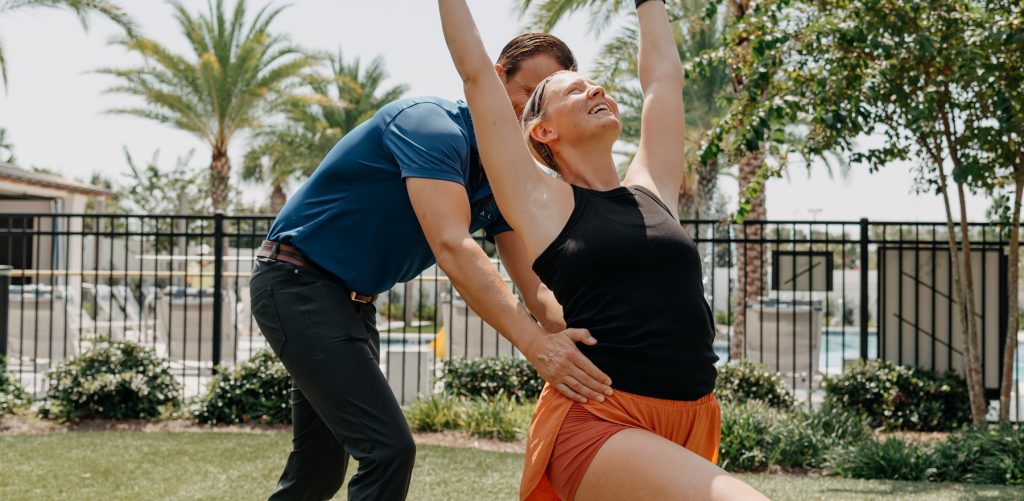
Our community’s active lifestyle—hiking trails, gardening, and even skiing—means therapists here tailor plans for real-life demands. I’ve worked with weekend warriors needing PT to get back on their mountain bikes and retirees using OT to safely navigate uneven sidewalks in Historic Downtown Placerville.
- Community Benefits: Our scenic environment often motivates people to stay active. Therapists in Diamond Springs, Placerville, and across El Dorado County understand these local lifestyle needs and customize treatments so you can return to the activities you love.
Busting Myths
- “OT is only for workplace injuries.”
Truth: OT covers any meaningful activity, from playing guitar to managing diabetes self-care. - “PT is just repetitive exercises.”
Truth: Modern PT blends manual therapy, dry needling, and even video analysis to perfect your movement patterns. - “Therapy is only for older adults.”
Truth: Children, teens, and working-age adults all benefit if they’re facing physical or cognitive challenges—from toddlers learning new motor skills to athletes recovering from sports injuries.
Practical Tips to Maximize Therapy Benefits
- Stay Consistent: Show up for your sessions and follow through with home exercises.
- Communicate Openly: If something feels uncomfortable or isn’t working, tell your therapist so they can adjust your program.
- Celebrate Small Wins: Whether it’s climbing an extra step or buttoning a shirt more easily, recognizing progress boosts motivation.
- Don’t Hesitate to Ask: Unsure about an exercise? Have questions about daily routines? Your therapist is there to guide you.
- Explore Holistic Wellness: Integrating proper nutrition, stress management, or mindfulness can supercharge your therapy progress.
Your Next Step
Healing isn’t one-size-fits-all. Maybe you need PT to alleviate knee pain and OT to kneel comfortably in the garden. Or perhaps your child requires both therapies to build motor skills and excel at daily classroom tasks.
Action Tip: Write down three daily tasks that frustrate you. If they’re primarily movement-based (stairs, lifting), start with PT. If they’re detail-oriented (cooking, writing, dressing), consider OT. Still stuck? Reach out to a Placerville clinic—they’ll help you untangle the options and find the right fit.
In some situations, remote treatment options can be valuable. Learn more about OT Telehealth Services that are expanding access for individuals with mobility or location constraints.
Final Thought
Your body and daily life are deeply intertwined. While PT strengthens muscles, OT ensures those muscles serve your real-world needs. Together, they address different but equally important aspects of wellness—leading to less pain, greater independence, and a renewed sense of confidence.
You don’t have to face physical or functional challenges on your own. By seeking professional guidance—whether from an OT, a PT, or both—you’re giving yourself the greatest chance to regain freedom, comfort, and a fuller sense of well-being. Here’s to feeling more capable and empowered, every single day!
