
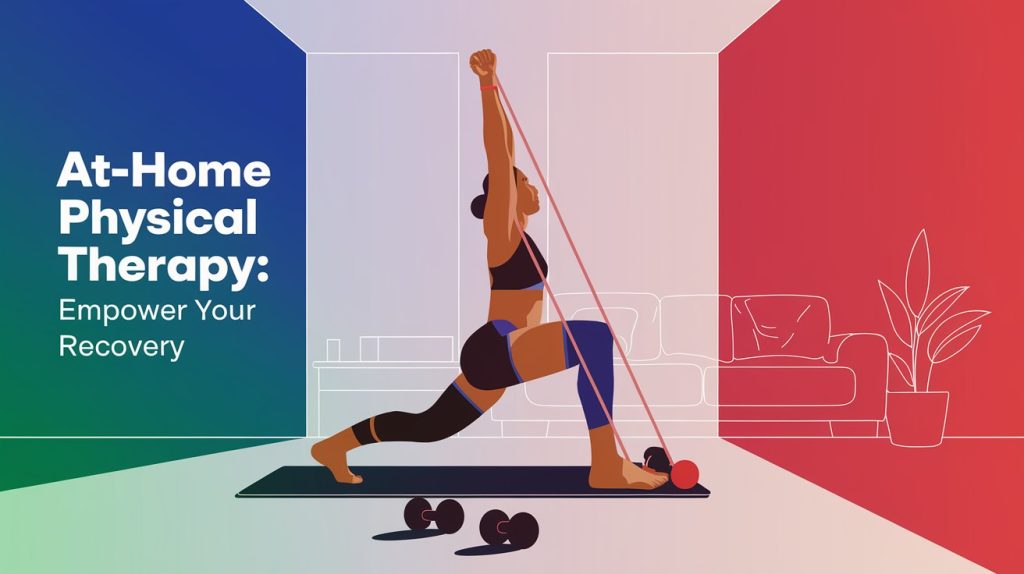
More people in communities like Placerville, CA, are discovering what many experts have long recognized: at-home physical therapy isn’t just convenient—it’s a game-changer for sustainable recovery. Imagine rebuilding strength while sipping morning coffee in your living room or easing joint stiffness without battling traffic to a clinic. Whether you’re navigating post-surgery rehab, managing persistent discomfort, or simply wanting to move through life more freely, this approach meets you where you are—literally.
Physical Therapy Reimagined: More Than Clinic Walls

At its core, physical therapy helps people rediscover their body’s potential through movement. Trained professionals assess not just sore knees or stiff shoulders, but how your entire system works together. Increasingly, at-home physical therapy delivers this care in the comfort of your own space—no gym bag required. It combines hands-on techniques with telehealth technology, bringing a modern, flexible spin to the traditional clinic model.
Defining Physical Therapy: Physical therapy is a specialized branch of healthcare dedicated to assessing, diagnosing, treating, and preventing physical impairments and disabilities through targeted movement and exercise. Its primary goal is to enhance mobility, reduce pain, and improve quality of life by teaching patients safe and effective movement strategies.
Why Your Home Might Be Your Best Healing Space
Home-based physical therapy delivers distinct advantages that are hard to replicate elsewhere—even more so for those in Placerville:
- Your Schedule, Your Rules: Juggling work, family, and recovery? Home sessions eliminate commute time and let you exercise when energy levels peak—be that first thing in the morning or late in the evening.
- Personalized One-On-One Care: In your own environment, a therapist can tailor exercises to your specific needs and surroundings. This individualized focus encourages progress at a pace that fits your comfort level.
- Safety Through Familiarity: Working out where you live can lower anxiety and reduce injury risk. Therapists can assess potential hazards like rugs or poor lighting and recommend home modifications to keep you safe.
- Budget-Friendly Wellness: Eliminating travel costs and reducing clinic visits can make therapy more affordable. Reviewing insurance coverage is key; many policies support home-based or mobile therapy services. Insights from Intrepid USA also highlight benefits like reduced fall risk and streamlined care.
- Tech Meets Hands-On Care: Virtual consultations and remote monitoring offer real-time feedback, as explained by How Telehealth Physical Therapy Works. Think of it as the best of both worlds: in-person support when you need it, and digital help to keep you on track in between visits.
Crafting Your Personal Recovery Ecosystem

Designing an effective home therapy environment requires a little forethought and a focus on safety, routine, and the right resources:
- Design With Intention: Pick a dedicated area in your home—perhaps a sunny corner by the window—where you can comfortably move. Keep it clutter-free, well-lit, and equipped with non-slip surfaces.
- Smart Equipment Choices: You don’t need expensive machines. Simple tools like resistance bands, stretching straps, yoga mats, foam rollers, or a sturdy chair can work wonders. For practical tips on selecting at-home essentials, check out Human Care in Physical Therapy Essentials.
- Rhythm Over Rigidity: Establish a consistent schedule, but remain flexible. Use a journal or mobile app to log exercises and track progress. If life interrupts a planned session, pick it back up when you can—what matters is ongoing commitment.
- Decision-Making Between Therapy Options: Weigh personal convenience, safety, and the need for specialized equipment when choosing between at-home and clinic-based therapy. A basic checklist can help you compare and decide which approach fits your lifestyle.
- Insurance and Cost Transparency: Review your policy carefully. Ask about coverage for home-based sessions, co-pays, and any self-pay options. Clarity up front helps you avoid unexpected expenses.
- Enhanced Safety Protocols and Self-Monitoring: Keep a hazard-free workout zone and watch your pain or fatigue levels. Monitor daily changes in a log so you know when it’s time to modify your routine or consult your therapist.
- Caregiver Involvement: If a caregiver is part of your support system, share clear guidelines with them. They can help set up equipment, remind you of sessions, and track your exercises.
Moving Through Pain to Find Progress
Pain management is about finding the sweet spot between overdoing and underdoing. A well-structured at-home program might incorporate:
- Pain Management Exercises: Gentle stretches, resistance training, and movement-based therapies that gradually improve joint function and reduce chronic discomfort.
- Fall Prevention Techniques: Balance and coordination drills—like standing on one foot or walking heel-to-toe—can significantly lower your fall risk.
- Self-Monitoring and Progress Tracking: Keep a daily log of pain levels, range of motion, and overall function. If symptoms worsen or plateaus persist, consult your therapist to adjust your plan.
Your Home Exercise Toolkit: Beyond Reps and Sets
Strength Building That Feels Natural
Everyday movements can double as functional training. Examples include:
- Dumbbell or Soup-Can Presses: Ideal for upper-body strengthening, such as bicep curls or overhead presses at the kitchen counter.
- Laundry Basket Squats: Practice proper form while lifting common household items.
- Resistance Band Workouts: Bands allow incremental strength building and can be adapted for multiple exercises, including rows and seated leg presses.
Flexibility Flows for Real Life
Maintaining flexibility and range of motion is key to preventing stiffness and discomfort:
- Hamstring and Quadriceps Stretches: Keep your lower body limber and reduce strain.
- Shoulder and Neck Stretches: Simple routines ease tension in the upper body.
- Guided Stretching Videos: For more structured routines, explore Healthline’s guide.
Balance Training That Transfers
Good balance is crucial for everyday safety and mobility:
- Single-Leg Stands: Practice near a chair or counter for support.
- Heel-to-Toe Walks: Strengthen core and lower-body stability.
- Balance Board Work: Engages core muscles and improves coordination.
Aerobic Conditioning and Core Work

Low-impact aerobic exercises, such as walking or stationary cycling, boost cardiovascular health while core-strengthening moves (planks, bridges, or dead bugs) build a stable foundation for all other activity.
Tech That Keeps You Connected
Digital tools can transform your living room into a highly interactive rehab space. Wearable devices, mobile apps, and secure video check-ins allow therapists to provide real-time feedback on form and progress. As detailed by telehealth experts, combining online consultations with in-person techniques helps maintain consistent oversight of your recovery.
Making It Stick: The Motivation Equation
Staying on track with at-home physical therapy can be challenging, but a few practical strategies can boost adherence and morale:
- Establish a Routine: Treat therapy like an important appointment on your calendar.
- Set Small, Achievable Goals: Break big milestones into smaller steps—celebrate each time you notice improvements in mobility or reduced pain.
- Use a Progress Journal: Log daily exercises and pain levels. A simple notebook can help you and your therapist spot trends and make timely adjustments.
- Incorporate Stress-Relief Techniques: Mindfulness, deep breathing, or short meditation breaks can keep you centered and motivated.
- Engage Your Support System: Family members, caregivers, or friends can remind you of sessions, help set up equipment, and offer daily encouragement. For more inspiration, refer to GCU’s motivation techniques.
Your Next Step Toward Freedom of Movement
Ready to transform your living space into a healing sanctuary? Start with these actionable steps:
- Assess Your Needs and Goals: Evaluate your condition, define clear objectives, and consider your daily schedule and home layout.
- Take Our Free Mobility Assessment: Understand where you stand—literally—before diving into a formal exercise plan.
- Download Our “5-Minute Kitchen Counter Stretch” Guide: Discover simple stretches you can do while waiting for the kettle to boil.
- Explore Mobile Therapy Options: See if telehealth or in-home visits fit your lifestyle and insurance coverage. Ask targeted questions to clarify costs and benefits.
- Stay Connected and Motivated: Schedule virtual or in-person check-ins with your therapist. Join online forums or local groups to share experiences. You never know who you’ll inspire by posting your progress!
Whether you live in Placerville or beyond, managing chronic pain, rehabbing after surgery, or just hoping to move more comfortably, at-home physical therapy can help you reclaim your mobility and enjoy a better quality of life. Equip your space with the right tools, stay consistent, and communicate regularly with your care team. By embracing the convenience and flexibility of home-based care, you’ll be well on your way to lasting relief and renewed confidence in your daily activities.
Your recovery journey is in your hands—start today and experience the transformative benefits of at-home physical therapy!
Have questions or want to share your experience? Join the conversation in our community forums or talk to your therapist about other creative ways to stay motivated. The path to better health is personal, but you’re never alone when you reach out and connect with others on the same journey.
