
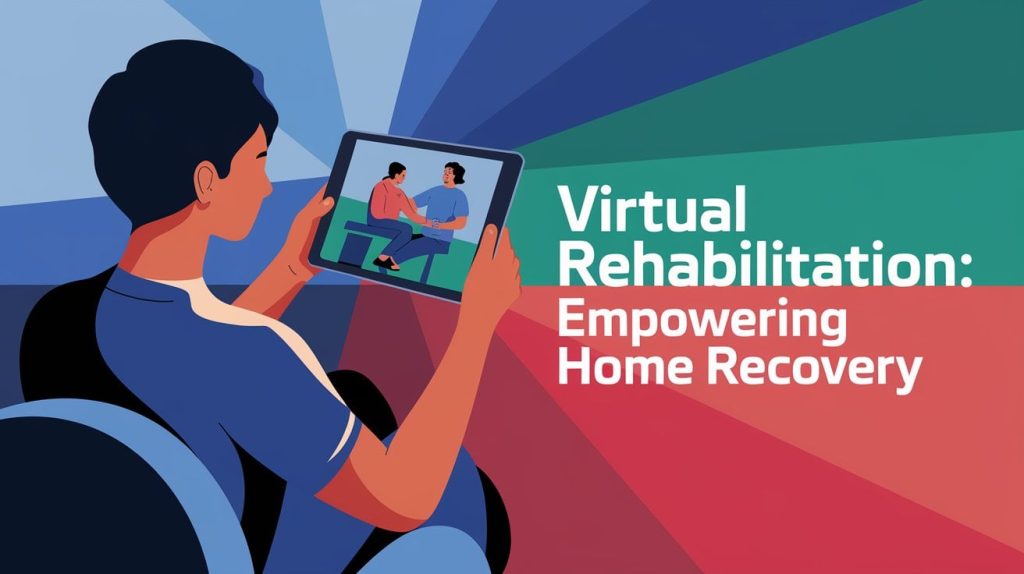
Healthcare has evolved, and so has the way we approach healing. Imagine receiving expert guidance to rebuild strength or ease chronic pain—without leaving your living room. That’s the reality of online physical therapy, a game-changer for anyone juggling busy schedules, mobility hurdles, or simply preferring the comfort of home. Let’s walk through how virtual sessions work, why they’re effective, and how you can make them work for you.
Physical Therapy 101: More Than Just Exercises
At its core, physical therapy (PT) aims to restore movement and function for individuals with injuries, post-surgical needs, or chronic conditions. As described by Intrepid USA, PT helps patients regain strength and mobility following injury, surgery, or the onset of chronic conditions. Whether you’re managing arthritis or rehabbing a sports injury, PT combines targeted exercises, hands-on techniques, and education to help you move better and feel better.
But here’s what many don’t realize: where you do these exercises matters less than how you do them. As recent studies confirm, virtual sessions can be just as impactful as in-clinic visits for many conditions—especially when you have the right technology and consistent follow-through.
Why Virtual PT? It’s Not Just About Convenience

Sure, skipping traffic is nice—but there’s more to the story. Here’s why patients across Placerville and beyond are choosing screens over waiting rooms:
- Accessibility and Flexibility: For those with mobility challenges or tight schedules, online sessions offer care right from home. You can plan appointments around work meetings, child care, or whenever energy peaks.
- Dollars and Sense: Say goodbye to gas money, parking fees, and extra time off work. Many providers also offer transparent pricing and outline insurance coverage, copays, and self-pay options.
- Active Participation: With apps tracking your reps and wearables monitoring form, you become a true partner in your recovery. Real-time feedback from your therapist ensures you’re on the right path.
- Safety First: For immunocompromised patients or those with limited mobility, home sessions eliminate the travel risks and potential falls in unfamiliar clinics.
The Nuts and Bolts of Virtual Sessions
Getting Started: Your First Click Counts
Your journey typically begins with an initial video call. We’ll discuss your health history, assess your mobility, and identify specific challenges—whether your knee stiffens after gardening or desk work triggers neck spasms. These personal details shape your treatment plan and goals.
Your Custom Roadmap
Expect a combination of live video exercises and digital follow-ups. One person might need gentle stretches to ease sciatica; another could focus on balance drills after a stroke. We’ll send video demos you can replay anytime, along with modification tips if something feels “off.” Throughout the process, progress tracking—often using wearable devices or exercise logs—helps fine-tune your plan.
Preparing for Your Virtual Session
Before each session, set up a dedicated, well-lit space that’s free from clutter and distractions. A reliable internet connection is essential so video doesn’t freeze mid-exercise. Make sure your camera (even if it’s just your smartphone propped on books) is angled to let your therapist see your full range of motion. Familiarize yourself with the telehealth platform you’re using, so you can navigate features like screen sharing or chat if needed.
Tech Made Simple
No need for fancy gear. Here’s how we keep it hassle-free:
- Use a phone, tablet, or computer with a camera and microphone.
- Troubleshoot Wi-Fi hiccups (they happen to everyone!) before your session, if possible.
- Repurpose household items as equipment—soup cans can become light weights, and towels can double as resistance bands.
Beyond Exercises: Healing the Whole You

True recovery isn’t just about reps. During our Placerville clinic days, we noticed that patients who combined PT with stress management and proper nutrition often healed faster. That’s why virtual plans can include:
- Mind-Body Tips: Brief mindfulness or deep-breathing exercises to reset between workouts
- Ergonomic Tweaks: Simple adjustments to your home office setup to prevent flare-ups or repetitive strain
- Nutrition Nudges: Easy anti-inflammatory recipes using local El Dorado County farmers’ market finds
Bolster your PT routine by staying hydrated, maintaining a balanced diet, and introducing simple self-care practices like meditation. Small changes can amplify your rehab results.
Common Concerns—Solved
“What if I do the exercises wrong?”
We’ll watch your form in real time, just like in-person care. If you miss a session or have questions, submit a quick video via our secure portal for feedback.
“My living room is tiny!”
One client successfully completed post-knee-replacement sessions in a 6×4 space. We adapt your plan to your environment, whether that means seated exercises or wall-supported moves.
“Is this covered by insurance?”
Most major plans now include telehealth PT. Many providers will verify your benefits upfront, so you know your financial responsibilities. Online therapy also reduces travel expenses, making it even more budget-friendly.
“What equipment do I need?”
A device with a camera and microphone is a must, plus a quiet, uncluttered space. Basic exercise items like a yoga mat, resistance bands, or light dumbbells are helpful. However, most plans can be adapted if you only have household objects on hand.
“How do I handle technical issues during a session?”
If your screen freezes or you lose connection, try restarting your device or moving closer to your Wi-Fi source. Your therapist can provide troubleshooting tips to get you back on track fast.
“How can I ensure I’m exercising safely?”
Real-time feedback is crucial, so stay in clear camera view. If something hurts or doesn’t feel right, mention it immediately. Wearable devices or digital logs can also help your therapist monitor your form and progress between sessions.
Your Next Move
Virtual physical therapy isn’t a watered-down version of real care—it’s care reimagined. Whether you’re in Diamond Springs, Cameron Park or Placerville, expert guidance is a click away. Ready to try? Schedule your virtual consultation and let’s chat about what “better movement” looks like for you.
The Takeaway
Online PT works because you work. It’s about consistency, not clinic walls. One of my favorite success stories? A local teacher who rehabbed her rotator cuff between grading papers—no commute, no subs needed. That’s the power of flexibility. Your healing journey shouldn’t pause because life won’t. With today’s tech and the right guidance, it doesn’t have to.
