
Understanding Diabetic Neuropathy and Its Effects on Foot Sensation and Balance
If you’re living with diabetes and experiencing tingling, numbness, or that frustrating “walking on sand” sensation in your feet, you’re not alone. These are common signs of diabetic peripheral neuropathy (DPN) – a condition affecting nearly half of all people with diabetes at some point in their journey.
As someone who’s worked with many patients navigating these challenges, I understand the impact these symptoms can have on your daily life, confidence, and independence. The good news? Physical therapy offers promising approaches to enhance both foot sensation and balance affected by diabetic neuropathy.
Defining Diabetic Neuropathy
Diabetic neuropathy is nerve damage resulting from prolonged high blood sugar levels. Like electrical wires that have lost their protective coating, the nerves in your body – particularly those extending to your feet and hands – become damaged and can’t effectively transmit signals to and from your brain.
Learn more about diabetic neuropathy from the American Diabetes Association for a deeper understanding of how this condition develops and progresses.
Exploring the Different Types of Diabetic Neuropathy

While there are several types of diabetic neuropathy, the most common form is distal symmetric polyneuropathy (DSPN), which typically affects the feet and legs first in a “stocking-glove” distribution pattern. Other types include autonomic neuropathy affecting involuntary bodily functions like digestion and heart rate, proximal neuropathy causing pain in the thighs, hips, and buttocks, and focal neuropathy resulting in damage to specific nerves, often in the hand, head, torso, or leg.
How Diabetic Neuropathy Impacts Foot Sensation and Balance
When diabetic neuropathy affects your feet, you may lose the ability to feel temperature, pain, pressure, or even the position of your feet, compromising sensation. Without proper sensory feedback, your body struggles to maintain steadiness and coordinated movement, affecting balance. These changes often develop gradually over years, making early intervention critical.
Why Enhancing Sensation and Balance Matters
Improving foot sensation and balance isn’t just about comfort – it’s about safety and independence. Reduced sensation can lead to unnoticed injuries that may develop into serious wounds or ulcers, while impaired balance significantly increases your fall risk. Studies show that people with diabetic neuropathy have a 15-fold higher chance of experiencing a fall compared to those without the condition. By addressing these issues through targeted physical therapy, you can reduce your risk of falls and injuries, improve confidence during daily activities, enhance mobility and independence, potentially slow the progression of sensory loss, and boost your overall quality of life.
How Foot Sensation and Balance Are Affected by Diabetic Neuropathy
Pathophysiology Behind Sensory and Balance Impairments
To understand how physical therapy can help, it’s useful to know what’s happening in your body. Chronic high blood sugar levels trigger a cascade of damaging effects on your nerves through multiple pathways. This damage affects large nerve fibers handling touch sensation, vibration sense, and proprioception (awareness of where your body parts are in space), as well as small nerve fibers transmitting temperature sensation and pain signals. When these nerves become damaged, sensory information from your feet to your brain becomes garbled or absent altogether, much like a phone call with poor reception.
In-depth review of diabetic neuropathy provides fascinating insights into how this complex condition affects your nervous system at the cellular level.
Common Symptoms and Their Daily Life Impact
Living with diabetic neuropathy means adjusting to symptoms like numbness or reduced sensation, making it hard to feel the ground properly when walking, and tingling or pins-and-needles sensations that can be distracting and uncomfortable. Burning or shooting pain may interfere with sleep and daily activities, while difficulty feeling temperature increases the risk of burns or frostbite. Balance problems create hesitancy when walking, especially on uneven surfaces or in dim lighting, and muscle weakness makes certain movements more challenging. These symptoms often lead to uncertainty during simple activities like getting up at night or navigating crowded spaces.
The Connection Between Sensation and Balance
Your balance system relies on visual information from your eyes, vestibular information from your inner ear, and proprioceptive information from your joints and muscles. In diabetic neuropathy, proprioception becomes compromised. When you can’t properly feel the ground beneath your feet or sense the position of your ankles and toes, your brain receives incomplete information about your body’s position in space. As a result, you may rely more heavily on vision, look down more frequently when walking, experience deteriorating balance in dim lighting or with eyes closed, and adopt a wider, more cautious gait to compensate.
The Role of Physical Therapy in Managing Diabetic Neuropathy
Overview of Physical Therapy Interventions
Physical therapy offers a specialized approach to managing diabetic neuropathy that goes beyond medication. While medications often focus on pain management, physical therapy addresses functional aspects – helping you move better, feel more stable, and potentially enhance sensory function through a thorough assessment of sensation, strength, range of motion, and balance, customized exercises, sensory re-education techniques, gait training, education on foot care, and home exercise guidance.
Can Physical Therapy Enhance Foot Sensation?
While nerve damage from diabetic neuropathy isn’t fully reversible, targeted physical therapy interventions may optimize remaining sensation and promote some nerve function recovery through neuroplasticity, where your nervous system adapts and forms new connections, improved blood flow from exercise supporting nerve health, and sensory retraining helping the brain interpret signals better. Studies show that vibration therapy and texture discrimination exercises may improve sensory thresholds, with many patients reporting greater foot awareness after consistent therapy.
Can Physical Therapy Improve Balance?
The evidence for balance improvement through physical therapy is robust. Multiple systematic reviews and controlled trials demonstrate that balance training can significantly enhance stability, reduce fall risk, and boost confidence in people with diabetic neuropathy. This happens through enhanced proprioceptive processing, strengthened ankle and foot muscles, improved compensatory strategies using vision and vestibular inputs, and greater efficiency in movement patterns. Research indicates that balance training conducted 2-3 times weekly for 8-12 weeks can lead to notable improvements in stability measures.
Effective Physical Therapy Techniques to Enhance Foot Sensation
Sensory Re-education Principles and Exercises
Sensory re-education focuses on optimizing how your brain interprets signals from your feet, akin to training it to “turn up the volume” on remaining sensory messages. With consistent practice, your nervous system can adapt to pay more attention to subtle sensory inputs, much like becoming more sensitive to sounds in a quiet room.
Graded Texture Discrimination Step-by-Step Guide
Texture discrimination exercises retrain your ability to recognize surfaces through touch. Begin with contrasting textures like smooth fabric versus corrugated cardboard, practicing identification with eyes closed when each is placed against your foot. Gradually work with subtler differences as your discrimination improves, then progress to standing on varied textured surfaces to identify them. Use everyday materials like sandpaper, rice, beans, or foam to enhance this sensory exercise at home.
Thermal Discrimination Techniques and Benefits
Temperature sensation often diminishes with diabetic neuropathy, but practicing with safe, lukewarm versus cool objects (never hot) can help with discrimination and localization on your foot. Always exercise caution, as your ability to sense dangerous temperatures may be compromised, and work with a physical therapist for safety.
Vibration Therapy for Sensation Improvement
Vibration therapy, using tools like tuning forks applied to specific foot points, vibrating platforms for whole-body stimulation, or vibrating insoles during walking, may “wake up” sensory receptors and improve vibration perception thresholds. Research suggests this approach can enhance sensation, and your physical therapist can assess its suitability for you.
Additional Sensory Stimulation Techniques
Other methods to improve foot sensation include contrast baths alternating warm and cool water under supervision, tactile stimulation with varied touch sensations, weight-shifting exercises focusing on pressure changes, and sensory mapping to identify touch locations. Your physical therapist will tailor these based on your specific needs.
Proven Physical Therapy Techniques for Balance Improvement
Static and Dynamic Balance Training
Balance training progresses from static exercises, maintaining a stable position, to dynamic ones, maintaining stability while moving or on an unstable surface, building a foundation for improved stability and confidence.
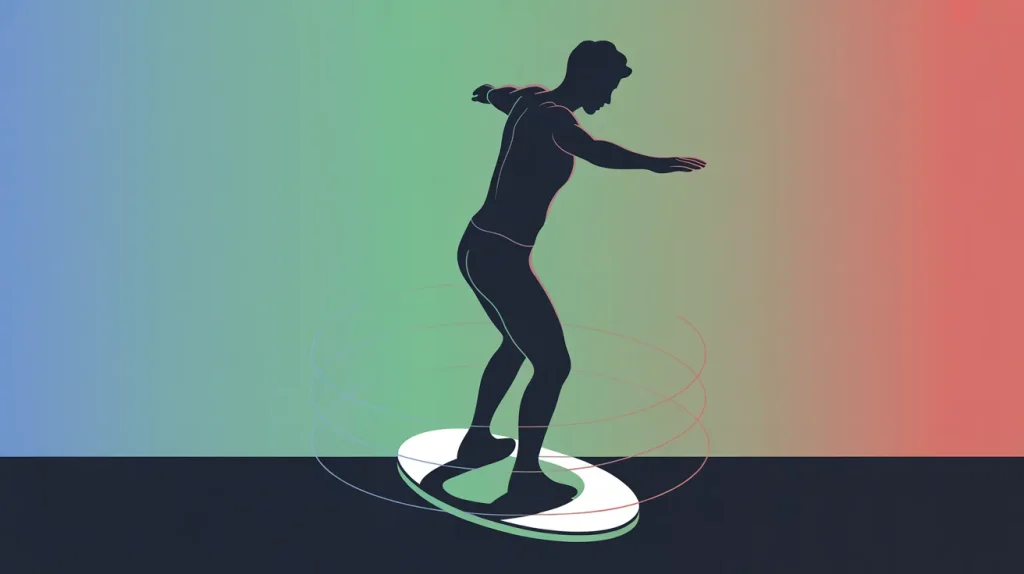
Key Balance Exercises like Single-Leg and Tandem Stance
Fundamental balance exercises include standing with feet closer together, tandem stance with one foot directly in front of the other, semi-tandem with one foot partially ahead, and single-leg stance. Progress these by increasing duration, closing eyes with safety precautions, adding head or arm movements, or standing on foam surfaces, always with support like a counter or chair nearby.
Proprioception Exercises to Boost Body Awareness
Proprioception exercises, such as joint position matching where your PT positions your foot and you replicate it, weight shifting from heel to toe, balance beam walking along a line, and controlled ankle movements, enhance your sense of body position. These are guided by physical therapy techniques for DPN.
Gait Training for Walking Stability
Gait training focuses on optimizing step length and width, rhythm and timing, surface transitions, and obstacle navigation to improve walking stability and reduce fall risk during daily activities.

Task-Oriented Functional Activities
Task-oriented training translates balance skills to real life, including sit-to-stand transitions, reaching for objects, carrying items while walking, and practicing directional changes to manage everyday challenges safely.
Integrating Sensation and Balance Exercises for Optimal Results
Why Addressing Both Simultaneously Is Key
Since sensation and balance are interconnected, an integrated approach targets sensory deficits while improving motor responses, mimics real-world situations, and may create synergistic effects where progress in one area enhances the other.
Examples of Combined Exercises
Effective integrated exercises include texture walking on varied surfaces while balancing, weight shifting with sensory focus on pressure changes, navigating obstacle courses with different textures, and brief eyes-closed balance practice with safety measures to emphasize foot sensation.
Sensory-Specific Balance Training
This approach involves reducing visual input to rely on foot sensation, creating controlled balance challenges on various surfaces, and combining sensory stimulation like textured insoles with progressive balance tasks for comprehensive improvement.
Creating a Personalized Exercise Plan
Your physical therapist will design a plan considering your sensory loss pattern, balance abilities, other health conditions, home environment, and personal goals, ensuring it’s tailored to your unique needs.
Progression and Customization for Individual Needs
As you improve, your program may shift from supported to unsupported exercises, increase duration or repetitions, add multitasking, incorporate challenging surfaces, or simulate complex environments. Consistency with brief, frequent practice often yields the best results.
Safety Considerations for Physical Therapy in Diabetic Neuropathy
Essential Foot Care Practices
With reduced foot sensation, daily inspection for cuts, blisters, redness, or swelling, wearing well-fitting shoes, keeping feet clean and dry, moisturizing skin (avoiding between toes), and trimming nails straight across are crucial. Check your feet before and after exercise for signs of pressure or irritation.
Managing Blood Sugar During Exercise
Monitor blood sugar before and after sessions, keep a fast-acting carbohydrate source handy, adjust medication with your healthcare provider if needed, stay hydrated, and note how exercise affects your glucose patterns for safe physical therapy participation.
Knowing When to Adjust or Pause Exercises
Be alert for unusual pain beyond normal fatigue, persistent skin redness, dizziness, excessive shortness of breath, low blood sugar signs, or unusual fatigue, and work with your physical therapist to distinguish these from typical exercise sensations.
Special Considerations for Coexisting Conditions
Conditions like peripheral vascular disease may require lower-intensity exercises with rest breaks, Charcot foot needs specialized footwear, retinopathy may limit certain positions, and autonomic neuropathy calls for monitoring heart rate and blood pressure. Inform your physical therapist of all health conditions for a safe program.
Collaborating with a Physical Therapist
The Physical Therapy Assessment Process
Your first visit includes a medical history review, sensation testing, balance assessment, strength and range of motion checks, gait analysis, and functional evaluation to develop a targeted program.
What Happens in Treatment Sessions
Sessions typically involve reviewing home exercise progress, hands-on techniques, supervised practice of new exercises, progression of activities, education on symptom management, and updates to your home program, lasting 30-60 minutes, 1-3 times weekly.
Working with Your Healthcare Team
Inform your endocrinologist or primary care provider about your physical therapy, ensure podiatrist-PT communication, share medication changes, and relay questions between providers to coordinate care effectively.
Key Questions to Ask Your Physical Therapist
Ask about exercise goals, modifications for pain or fatigue, signs of progress, home exercise frequency, critical safety precautions, and expected timelines for improvement to maximize your therapy experience.
Conclusion: Taking Control of Diabetic Neuropathy
Key Takeaways from Physical Therapy
Living with diabetic neuropathy challenges foot sensation and balance, but physical therapy offers evidence-based solutions. Specialized sensory re-education may optimize sensation, progressive balance training significantly improves stability, an integrated approach yields the best outcomes, consistent home exercises reinforce gains, and meticulous foot care remains essential.
Seek Professional Guidance for Better Outcomes
While these exercises provide a starting point, a physical therapist specializing in diabetic neuropathy ensures a safe, effective, personalized program. Physical therapy requires commitment, but the potential for better balance, enhanced sensation, reduced fall risk, and greater confidence makes it worthwhile. I’ve seen patients regain movement confidence and independence through dedication – your journey can yield meaningful improvements with the right support.
Resources for Further Learning
Explore your local diabetes education program, support groups, the American Physical Therapy Association’s neuropathy resources, and your healthcare provider’s recommended materials to continue managing diabetic neuropathy effectively.
