

Navigating Your Rehabilitation Options
When recovering from an injury, managing chronic pain, or working to improve mobility, the path to rehabilitation can feel overwhelming. Physical therapy stands as a cornerstone of recovery, but it can take place in different environments, each offering unique benefits. At our Placerville clinic, choosing the right rehabilitation environment can make all the difference in your healing journey.
Understanding Aquatic Therapy and Traditional Physical Therapy
Traditional Physical Therapy: The Land-Based Approach

Traditional physical therapy, often referred to as land-based PT, involves therapeutic interventions performed in a non-aquatic setting—typically a clinic, hospital, or home. This approach uses gravity and ground reaction forces to reduce pain, enhance movement and function, strengthen muscles, and help you manage your condition independently.
According to a PubMed review on exercise-therapy in knee osteoarthritis, land-based interventions like walking and mixed-exercise programs significantly improve physical function and reduce symptoms by leveraging gravity and ground reaction forces.
Aquatic Therapy: Healing in Water
Aquatic therapy, also known as hydrotherapy, involves exercises and interventions conducted in water, typically in a warm, specially designed pool. It taps into water’s unique properties to offer a low-impact setting for rehabilitation.
Aquatic therapy includes techniques like joint mobilization, stretching, passive relaxation, and gait training, alongside specialized methods such as Ai Chi (a water-based Tai Chi), the Bad Ragaz Ring Method (using flotation devices for resistance), and the Halliwick Concept (emphasizing balance and postural control).
The Cleveland Clinic hydrotherapy overview details its effectiveness for conditions like arthritis, chronic back pain, fibromyalgia, and neurological disorders, including recommended pool temperatures and therapist-led protocols.
Biomechanical and Physiological Effects of Aquatic Therapy
Buoyancy: The Anti-Gravity Effect
Buoyancy, water’s upward force, counters gravity, reducing body weight and joint stress. An in vivo implant study quantifies hip and knee joint contact forces being reduced by 36–55% during water-based exercises compared to land. In chest-deep water, you bear only 20–30% of your weight, easing compression on joints. This allows for movement with less pain, earlier mobilization post-surgery or injury, and exercises that might be unfeasible on land—especially for those with arthritis, obesity, or acute injuries.
Hydrostatic Pressure: Natural Compression
Water applies uniform pressure that increases with depth, offering therapeutic benefits. This hydrostatic pressure acts like a gentle compression wrap, reducing edema by pushing excess fluid back into circulation, enhancing body awareness through sensory input, improving circulation via venous return, and stabilizing the core for better balance. For patients with post-surgical swelling, this natural effect can significantly aid recovery.
Viscosity and Resistance: Multi-Directional Challenge
Water’s density—about 12 times that of air—provides natural resistance that intensifies with speed, works in all directions, offers constant feedback, and slows movement for better muscle coordination. This makes it ideal for strengthening, especially for those unable to use weights on land. Research on underwater exercise demonstrates its cardiovascular benefits rival land running, while protecting joints from impact.
Thermal Effects: Warmth as Medicine
Therapeutic pools, typically kept at 90–94°F (32–34°C), use warmth to relax muscles, reduce spasticity, lessen pain perception, increase blood flow, and create a soothing psychological effect. For conditions like fibromyalgia, this combination of warmth and buoyancy often enables movement that’s too painful on land.
Comparing the Approaches: Pros and Cons
Aquatic Therapy: Advantages
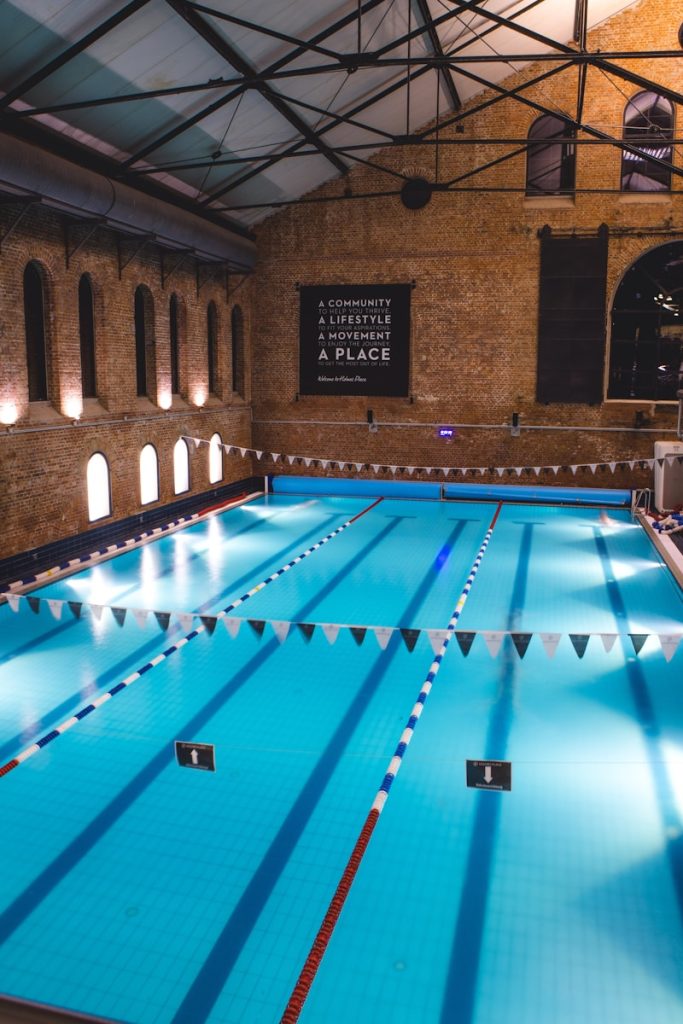
Aquatic therapy reduces joint stress through buoyancy, enabling pain-free movement often impossible on land. It enhances mobility and range of motion in a supportive environment, provides a safer setting for balance training with minimal fall risk, promotes relaxation to ease exercise-related anxiety, and boosts circulation to reduce swelling—thanks to hydrostatic pressure.
Aquatic Therapy: Limitations
Specialized pools can be hard to find, specific health conditions like uncontrolled seizures or open wounds may rule it out, and the logistics of traveling to a pool and changing clothes can pose challenges for some.
Traditional PT: Advantages
Traditional PT is widely accessible, directly trains functional skills for daily life, supports higher loads for strength and bone density, offers a broad range of techniques, and benefits from extensive research backing its protocols.
Traditional PT: Limitations
Weight-bearing can be painful, fall risks are higher—especially for those with balance issues—and it may progress slowly for patients with severe limitations or extreme pain, potentially increasing exercise anxiety in a less supportive setting.
Finding the Right Fit for Your Condition
Ideal Candidates for Aquatic Therapy
Aquatic therapy shines for arthritis, where buoyancy eases joint stress and warmth soothes stiffness. It’s a boon for chronic pain conditions like fibromyalgia, allowing gentler movement, and aids early post-operative recovery—especially after joint replacements—by reducing weight-bearing demands. Neurological disorders such as Parkinson’s, Multiple Sclerosis, or stroke often respond well, with studies showing improved quality of life and flexibility. It’s also ideal for balance training in older adults, severe deconditioning, obesity, or conditions with significant swelling.
Ideal Candidates for Traditional Physical Therapy
Land-based therapy excels for building bone density in osteoporosis, training for sports or daily activities, addressing general musculoskeletal injuries once acute pain subsides, and managing chronic spinal pain where weight-bearing is tolerable. It’s also practical when aquatic facilities are inaccessible or contraindicated.
The Hybrid Approach: Combining Water and Land
Often, a hybrid plan works best—starting in water to manage pain or restrictions, then transitioning to land for strength and function. For example, research on anterior cruciate ligament reconstruction highlights water’s role in early rehab, followed by land-based strengthening. The goal is to match the environment to your healing stage.
Effectiveness of Aquatic Therapy and Physical Therapy
Pain Reduction and Management
For chronic low back pain, a trial in JAMA Network Open found aquatic exercise outperformed passive modalities like TENS for pain, function, and quality of life, with benefits lasting up to 12 months. In arthritis, both environments manage pain effectively, with water offering immediate relief and land building long-term strength.
Functional Improvement and Mobility
For hip and knee osteoarthritis, studies show both therapies improve function and mobility equally. Post-surgical patients, particularly after joint replacements, may see better outcomes combining both, enhancing range of motion and reducing edema.
Balance, Stability, and Fall Prevention
Aquatic therapy often outperforms land-based methods for balance in older adults, improving metrics like the Timed Up and Go test. Its supportive nature reduces fall risks, making it a safer choice for stability training.
Neurological Rehabilitation
In Parkinson’s, aquatic therapy boosts quality of life, flexibility, and mental health more than land-based options. For stroke recovery, it shows promise in balance and mobility, though results vary.
Patient Adherence and Satisfaction
Studies suggest higher adherence to aquatic programs, especially for knee osteoarthritis, due to its gentler environment, potentially improving long-term engagement.
Technological Advancements in Aquatic Rehabilitation
Underwater Treadmills: Revolutionizing Rehabilitation
Modern aquatic therapy has been dramatically enhanced by technological innovations like underwater treadmills. These specialized devices, integrated into the pool floor, allow patients to simulate land-based walking, running, or sport-specific movements without the impact of body weight on joints. Underwater treadmills typically feature adjustable speeds (from 0.1 to 8.5 mph) and can be combined with resistance jets for customized therapy intensity.
First developed for racehorses in the 1970s and refined for human use in the 1980s, underwater treadmills now serve as cornerstone equipment in advanced rehabilitation facilities. Research from Texas A&M University has shown that aquatic treadmill training can significantly reduce resting diastolic blood pressure more effectively than land-based training, offering cardiovascular benefits alongside joint protection.
Resistance Jets and Monitoring Technology
Advanced aquatic therapy pools now incorporate programmable resistance jets that can be adjusted for therapeutic purposes. These jets provide targeted resistance for strengthening specific muscle groups or can create currents for gait training. Some facilities now integrate digital monitoring systems where therapists can track patients’ progress in real-time, measuring improvements in gait patterns, range of motion, and exercise intensity.
The integration of wearable technology in aquatic environments allows for precise data collection, enabling more personalized treatment protocols and objective measurement of progress. This technological evolution has made aquatic therapy more accessible and effective for patients with diverse rehabilitation needs.
Scientific Evidence Supporting Aquatic Therapy
A comprehensive 2023 systematic review and meta-analysis published in the Journal of Orthopaedic Surgery and Research examined 32 randomized controlled trials involving 2,200 participants with chronic musculoskeletal disorders. The analysis showed that aquatic exercise significantly improved pain (SMD: -0.64), physical function (SMD: 0.62), and quality of life (SMD: -0.64) compared to no exercise. When compared to land-based exercise, aquatic therapy provided superior pain relief (SMD: -0.35), particularly beneficial for conditions like osteoarthritis, fibromyalgia, and low back pain.
The study noted that aquatic therapy’s pain-relieving effects likely stem from “the combined effect of exercise, warm water, and buoyancy on thermoreceptors and mechanoreceptors.” Water pressure and temperature stimulate sensory receptors that can block pain signals, while the supportive environment encourages movement that might be too painful on land.
Safety Considerations in Rehabilitation
Aquatic Therapy: Safety Concerns
Aquatic therapy is unsuitable for those with fever, uncontrolled seizures, open wounds, severe cardiac or respiratory issues, or incontinence. Caution is needed with controlled epilepsy, vertigo, or water phobia. Guidelines emphasize thorough screening and trained staff presence for safety.
Traditional PT: Safety Concerns
Land-based therapy poses risks like falls—especially for the elderly—overexertion, or equipment injuries. It’s contraindicated in acute unstable conditions, unstabilized fractures, or active infections, with relative cautions for recent surgery or severe osteoporosis.
Talking to Your Healthcare Team
The Personalized Approach
Your choice depends on your condition, healing stage, goals, water comfort, and practical factors. Ask your doctor about medical suitability and your therapist about specific benefits, exercise modifications, and expected outcomes. Advocate for your preferences and consider trial sessions to find the best fit.
Learn more how our expertise and personalized approach can support your rehabilitation journey.
Choosing Your Path to Recovery
Both aquatic therapy and traditional physical therapy offer valuable rehabilitation paths. The ideal choice—or combination—hinges on your specific needs. Whether you begin with water’s buoyancy or land’s functional challenges, the right program in Placerville physical therapy will guide you toward restored function and better quality of life.
